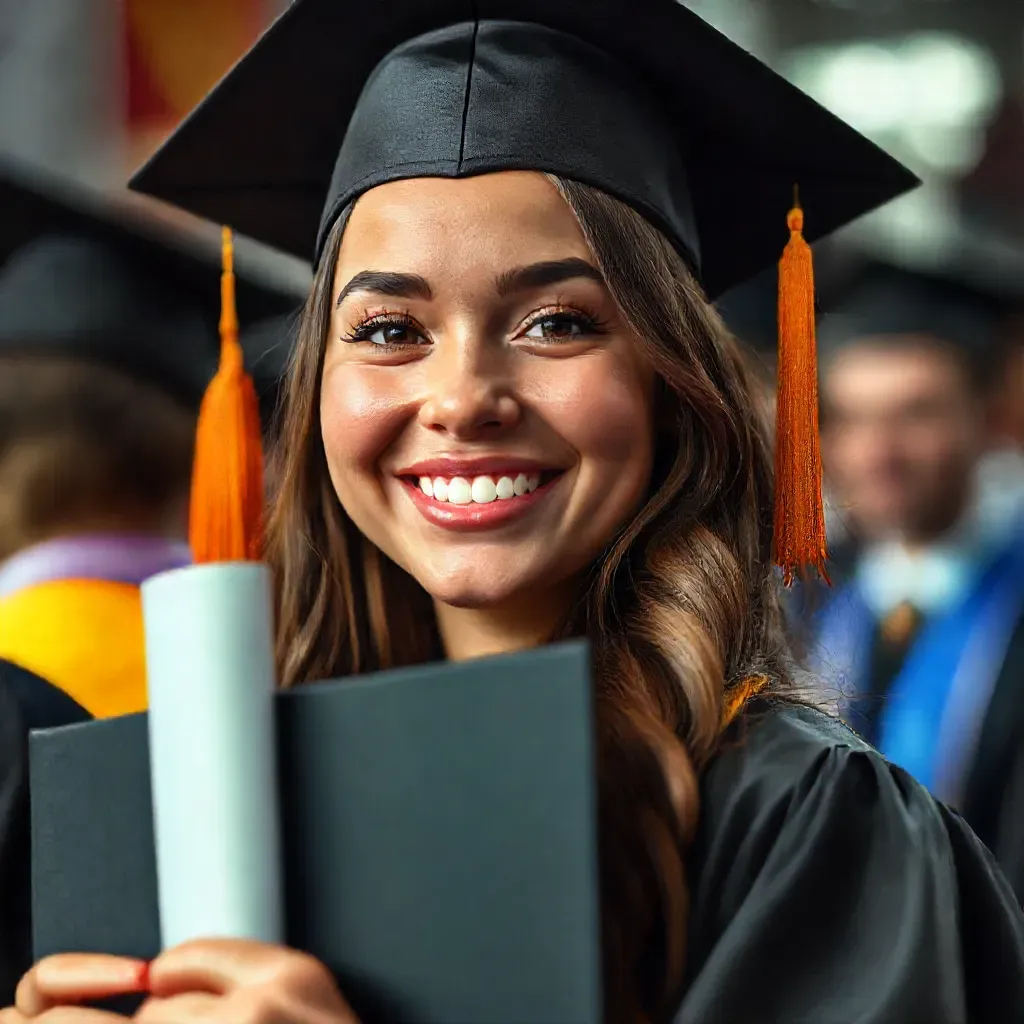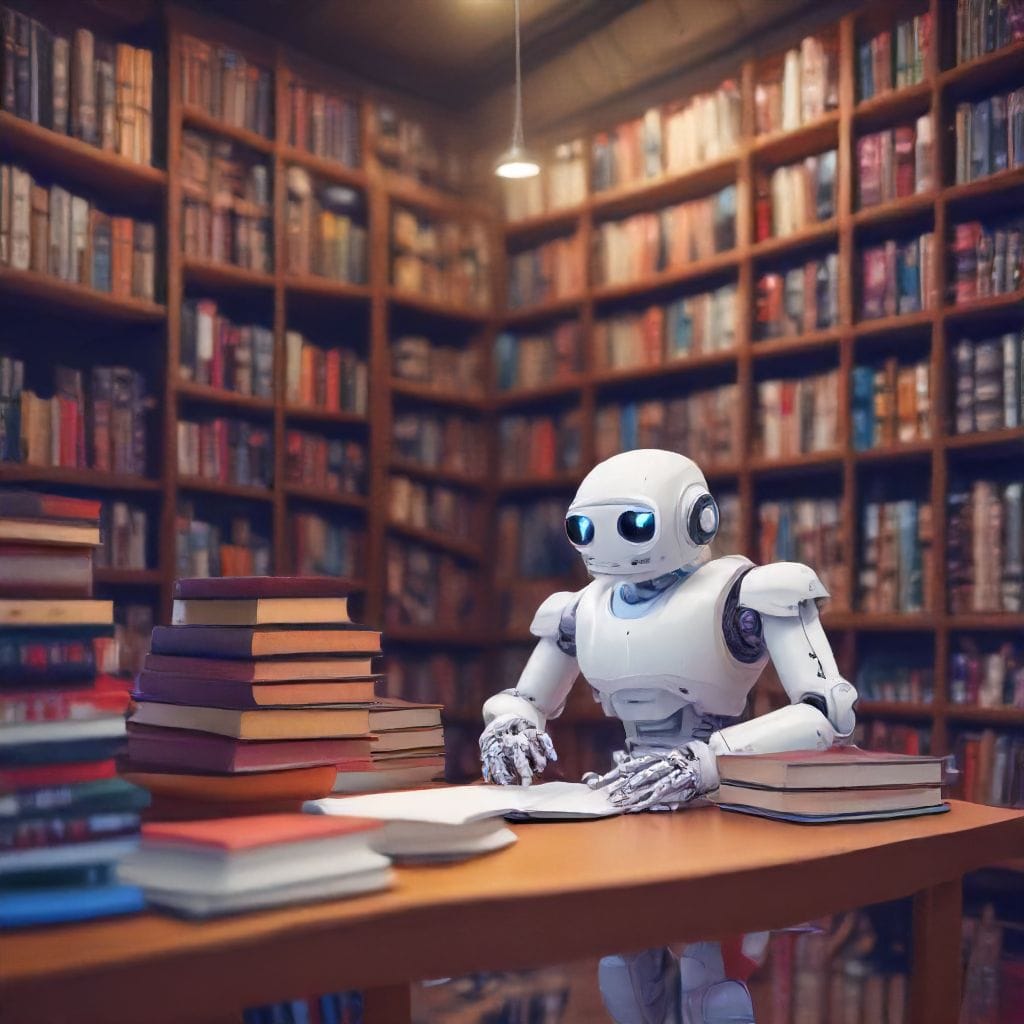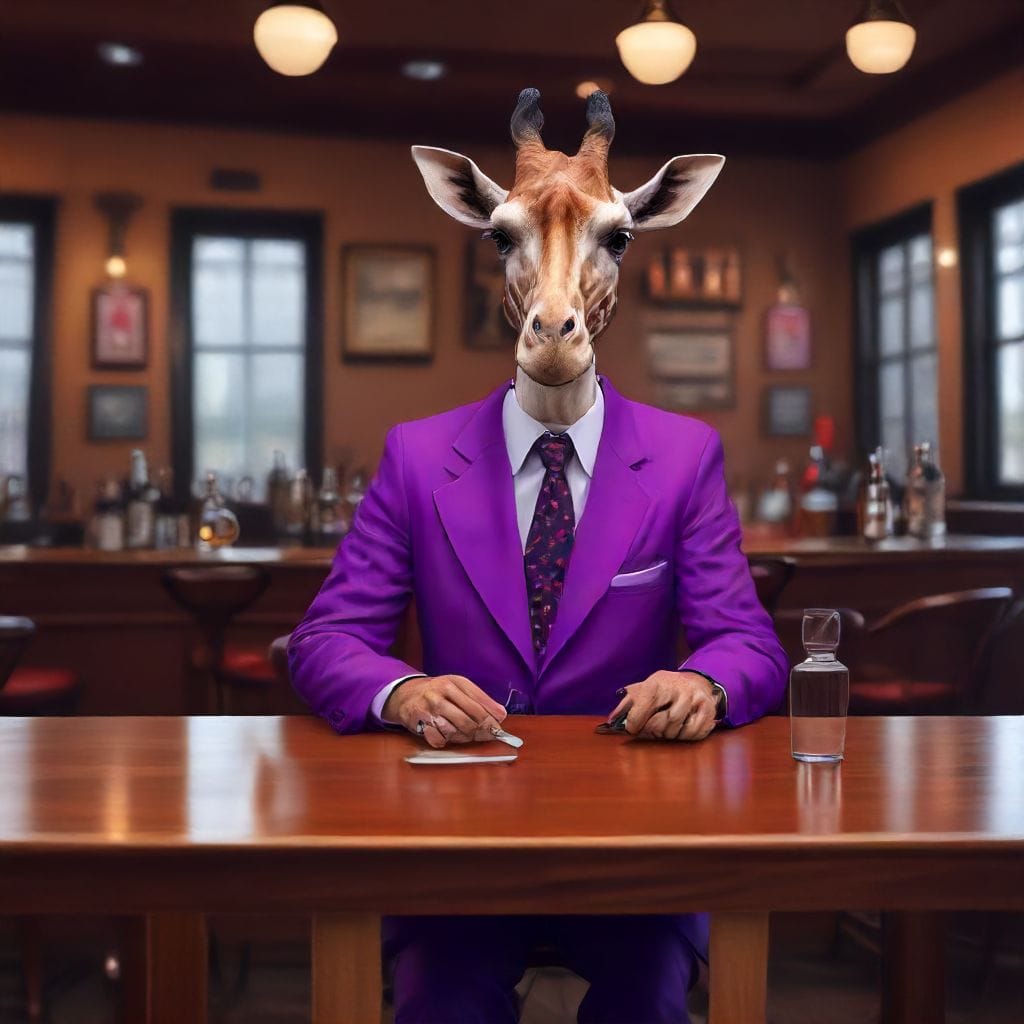
In the age of artificial intelligence, one of the most groundbreaking advancements is text-to-image AI technology. From generating photorealistic visuals to creating stunning works of digital art, text-to-image AI systems are revolutionizing how we think about and produce visual content. AI models like DALL-E, Stable Diffusion, and MidJourney have made significant strides, enabling anyone to create high-quality images from simple text descriptions. These tools are now used by artists, designers, marketers, and even educators to streamline the creative process.
This post will explore the different types of text-to-image AI, how these systems work, and the remarkable successes they’ve achieved so far. We'll also look at how this technology is transforming industries and shaping the future of creativity and digital content.
What is Text-to-Image AI?
Text-to-image AI refers to artificial intelligence systems that generate images based on textual descriptions. Using machine learning models, particularly generative models, these systems are trained on large datasets of images and corresponding text. They learn to understand the relationships between words and visual elements, allowing them to create images that match descriptions provided by users.
In simple terms, text-to-image AI takes a user’s text input, processes it through a neural network, and produces a detailed image based on that input. The output can range from photorealistic images to abstract or artistic representations, depending on the model used.
How Text-to-Image AI Works
At the core of text-to-image AI are deep learning models like Generative Adversarial Networks (GANs) and Diffusion Models, which can generate complex and detailed images. Here's a step-by-step breakdown of how these models work:
 SOTAAZ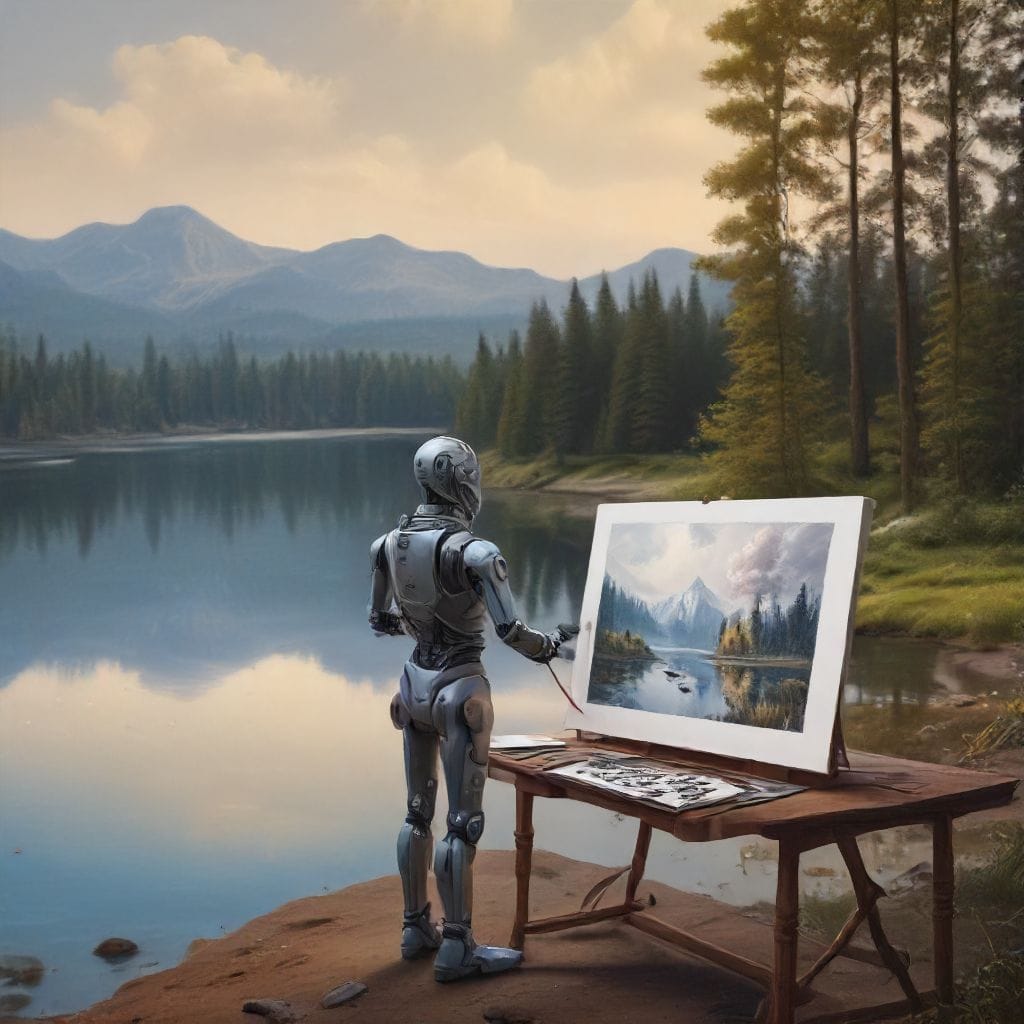
For more specific details about how AI draw images, refer this
1. Text Encoding
The process starts with text encoding. The AI system uses a text encoder, often based on models like CLIP (Contrastive Language-Image Pretraining), to translate the input text into a feature vector. This vector is a mathematical representation that captures the meaning of the words in the input.
For example, if the input is "a cat sitting on a chair," the model encodes this description into a series of numbers that represent the concept of a cat, a chair, and the action of sitting.
2. Image Generation
Once the text is encoded, the image generation process begins. The AI model starts with random noise and gradually transforms it into an image. This process is called diffusion, where the model learns to progressively remove noise from the image until it matches the text description.
The model follows the text encoding as a guide, ensuring that the objects and actions in the image align with the text input.
3. Iteration and Refinement
The image generation process involves multiple iterations. In each step, the model refines the image by removing more noise and adding details based on the input text. By the end of this process, the model produces a fully formed image that reflects the user’s description.
This iterative refinement is key to achieving the high-quality, detailed images that text-to-image AI models are known for.
Types of Text-to-Image AI Models
There are several prominent models in the field of text-to-image AI, each with its own strengths and capabilities. These models use different approaches to generate images, and they have been fine-tuned to deliver impressive results in various contexts.
1. DALL-E 2
DALL-E 2, developed by OpenAI, is one of the most famous text-to-image models. It can generate highly detailed and creative images from both simple and complex text descriptions. DALL-E 2 is known for its ability to produce photorealistic visuals and imaginative compositions. For example, a user can prompt DALL-E 2 with a description like "a cat riding a bicycle under a rainbow," and the model will create a unique image that matches the description.
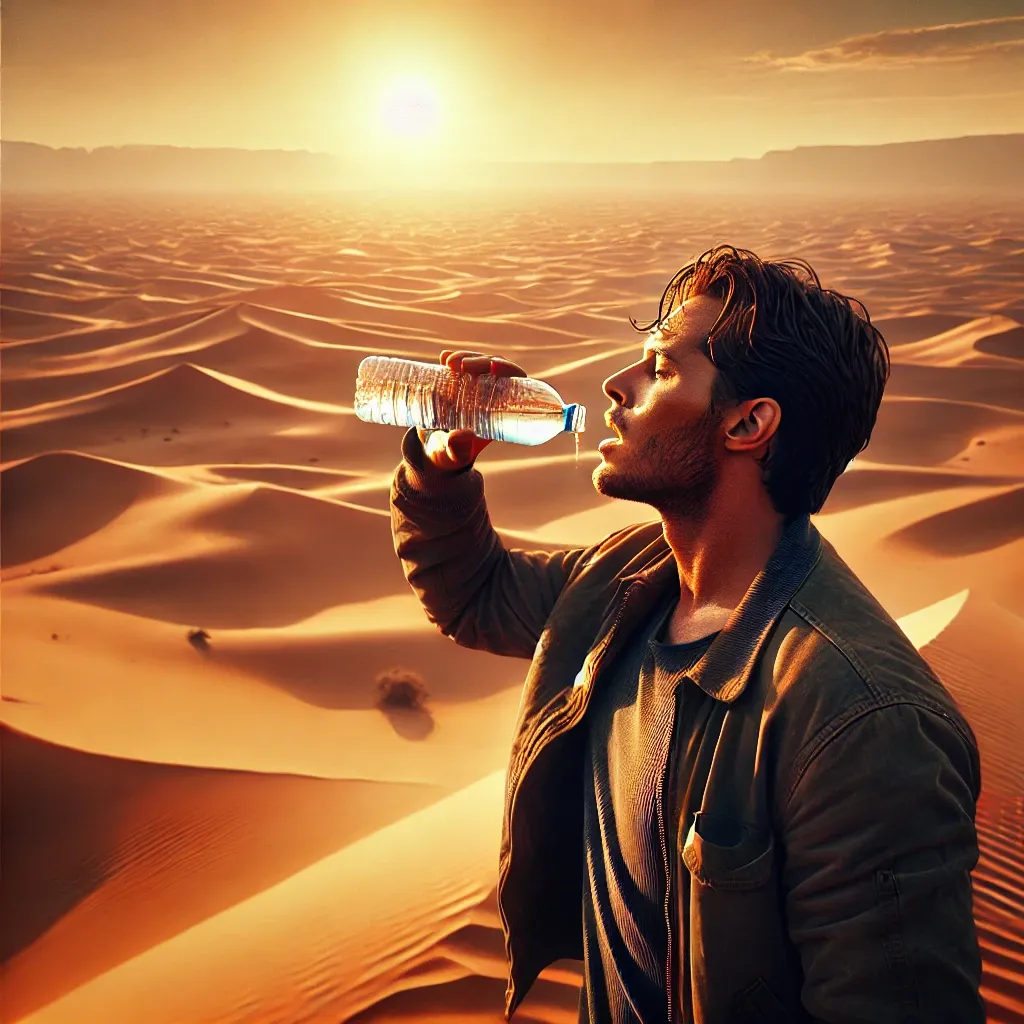
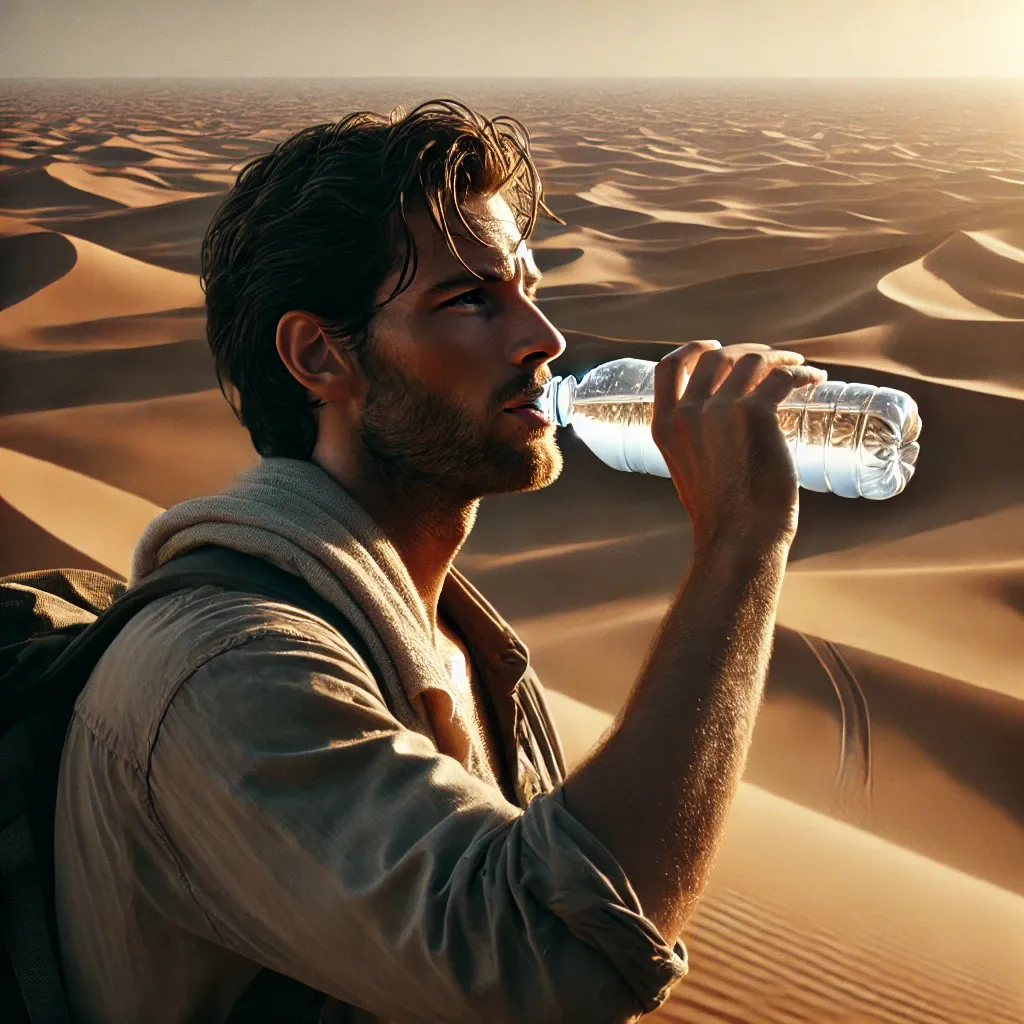
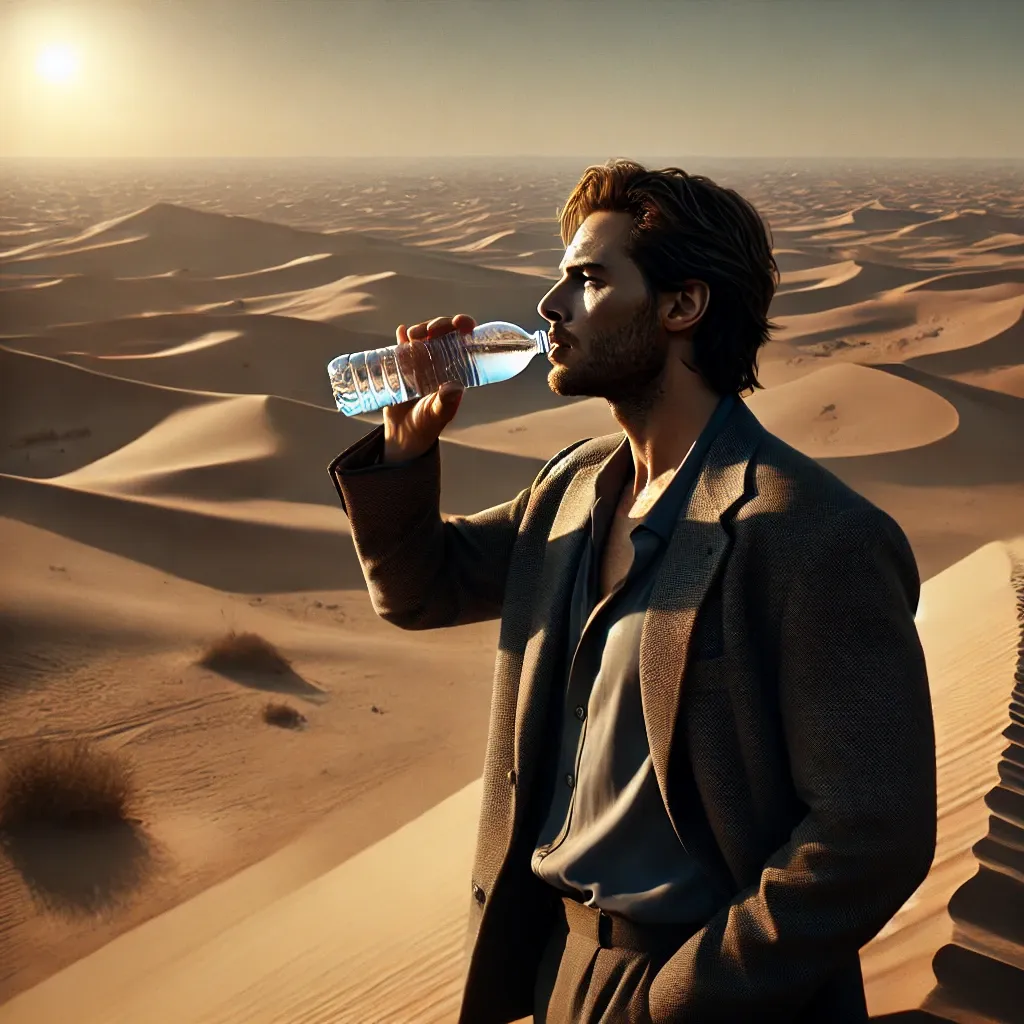
Images generated from DALL-E2
Key features of DALL-E 2 include:
- Creative Composition: DALL-E 2 can combine unrelated objects in a visually coherent way, making it ideal for generating surreal or imaginative images.
- Photorealism: The model is capable of generating highly realistic images that closely resemble real-world photos.
2. Stable Diffusion
Stable Diffusion is an open-source model that has gained widespread popularity due to its flexibility and ease of use. Unlike DALL-E 2, which is proprietary, Stable Diffusion allows developers and researchers to experiment with the model and integrate it into various applications.
Stable Diffusion is also known for its efficiency. It can generate high-quality images in a relatively short amount of time, making it a popular choice for real-time applications.
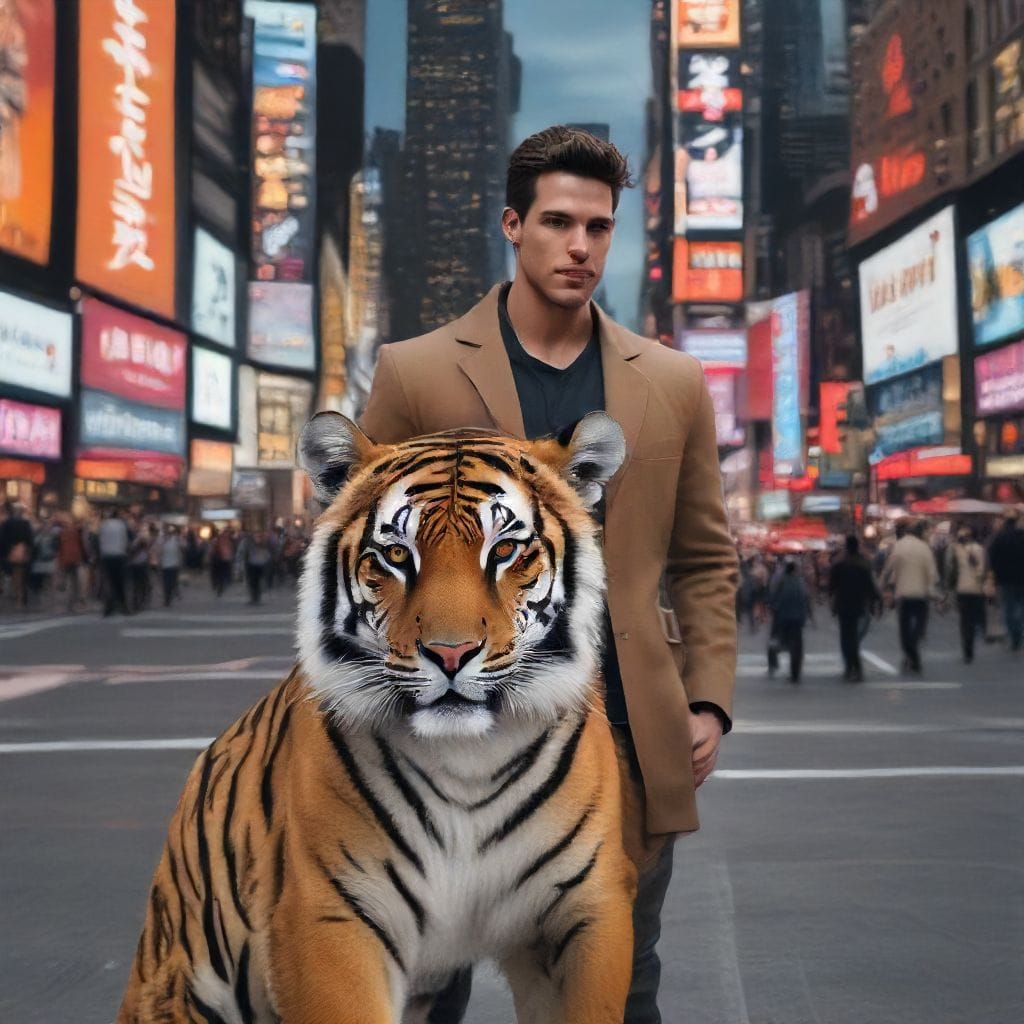
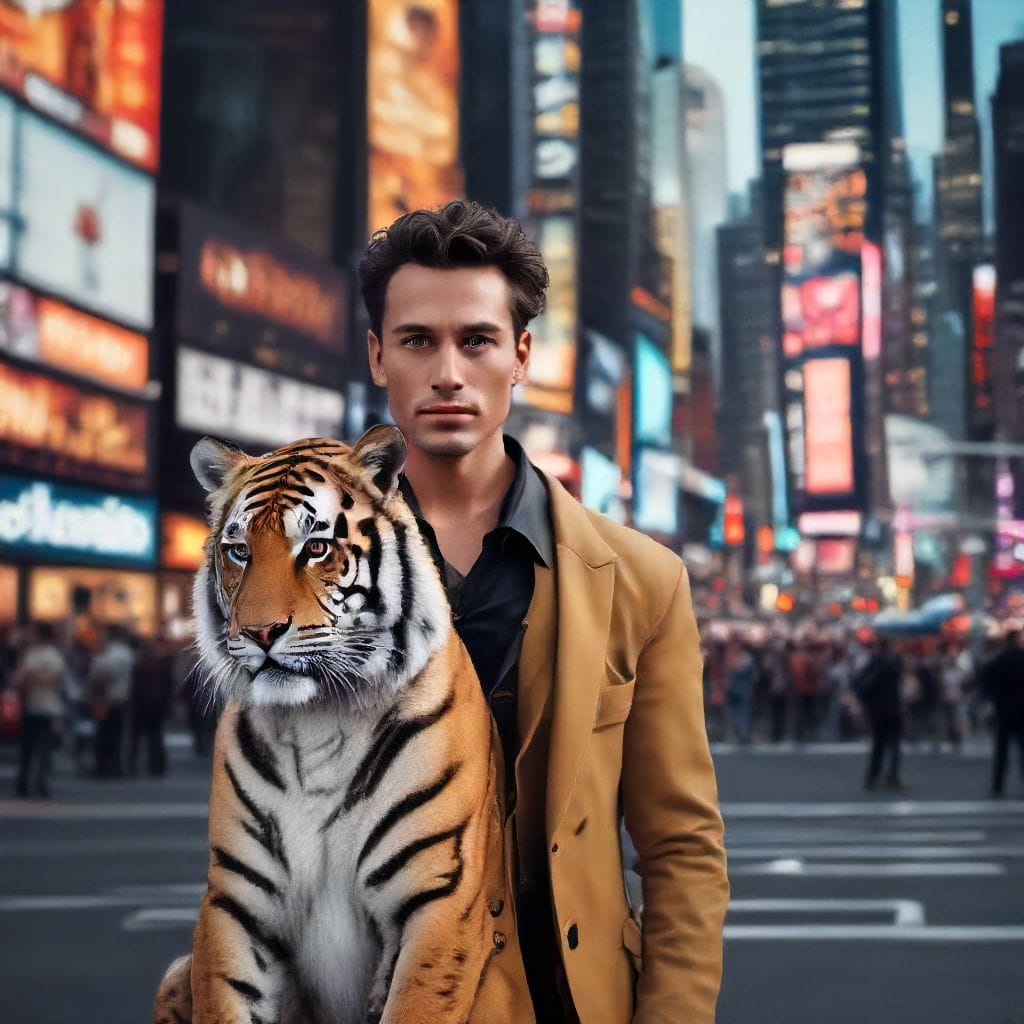
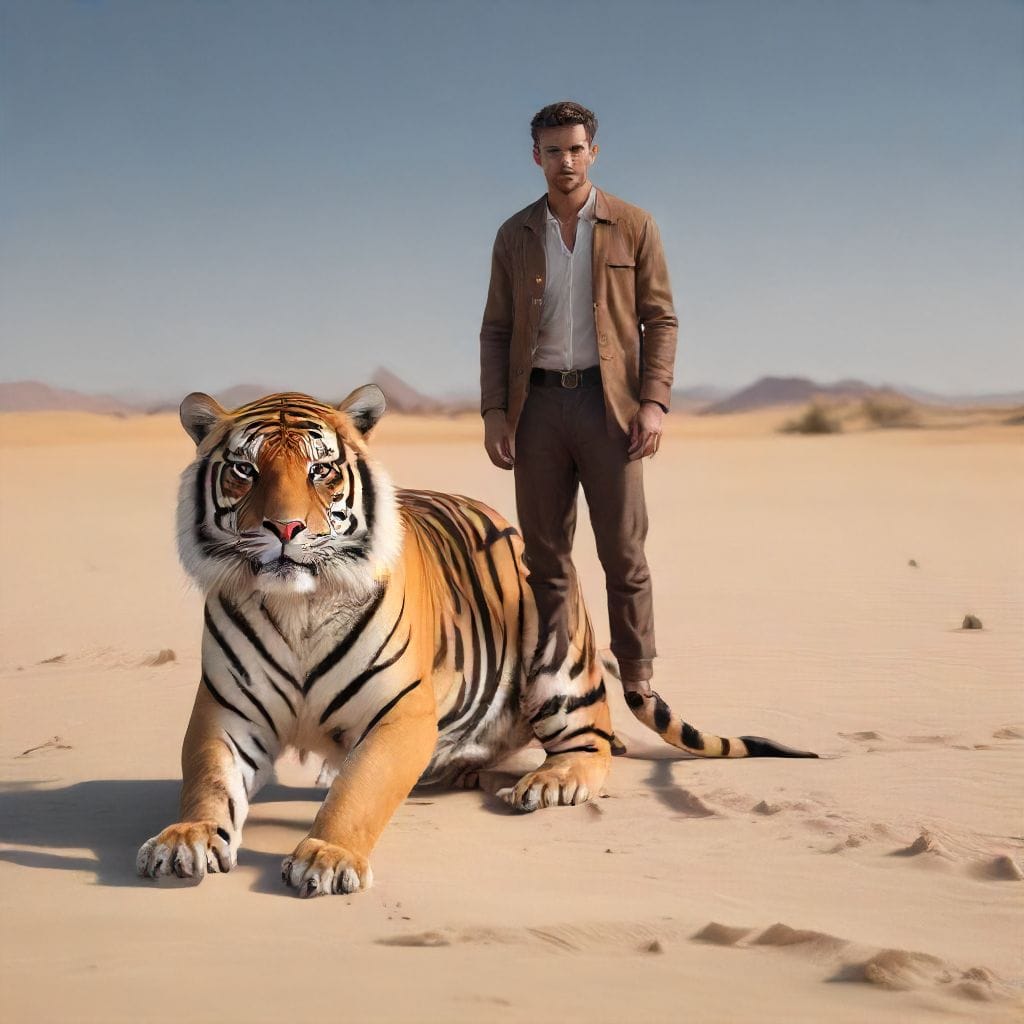
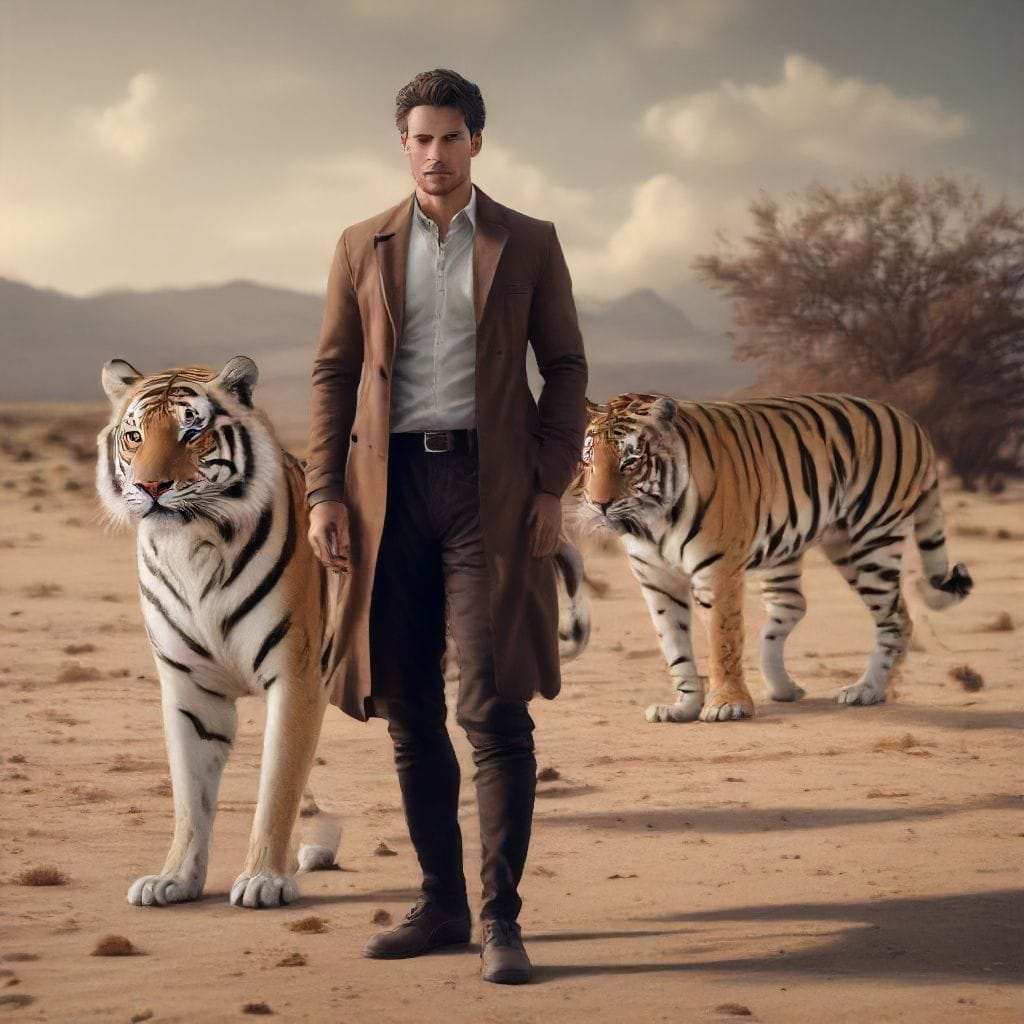
Images generated with Stable Diffusion XL
Key features of Stable Diffusion include:
- Open-Source Flexibility: Users can customize and modify the model to suit their specific needs.
- Fast Image Generation: The model is optimized for faster performance, making it ideal for scenarios where quick image generation is required.
3. MidJourney
MidJourney is a text-to-image model that has gained attention for its artistic and creative output. Unlike DALL-E 2 and Stable Diffusion, which focus on realism, MidJourney excels at generating images with a dreamlike or otherworldly quality. This makes it a favorite among artists and designers who want to experiment with new styles and compositions.
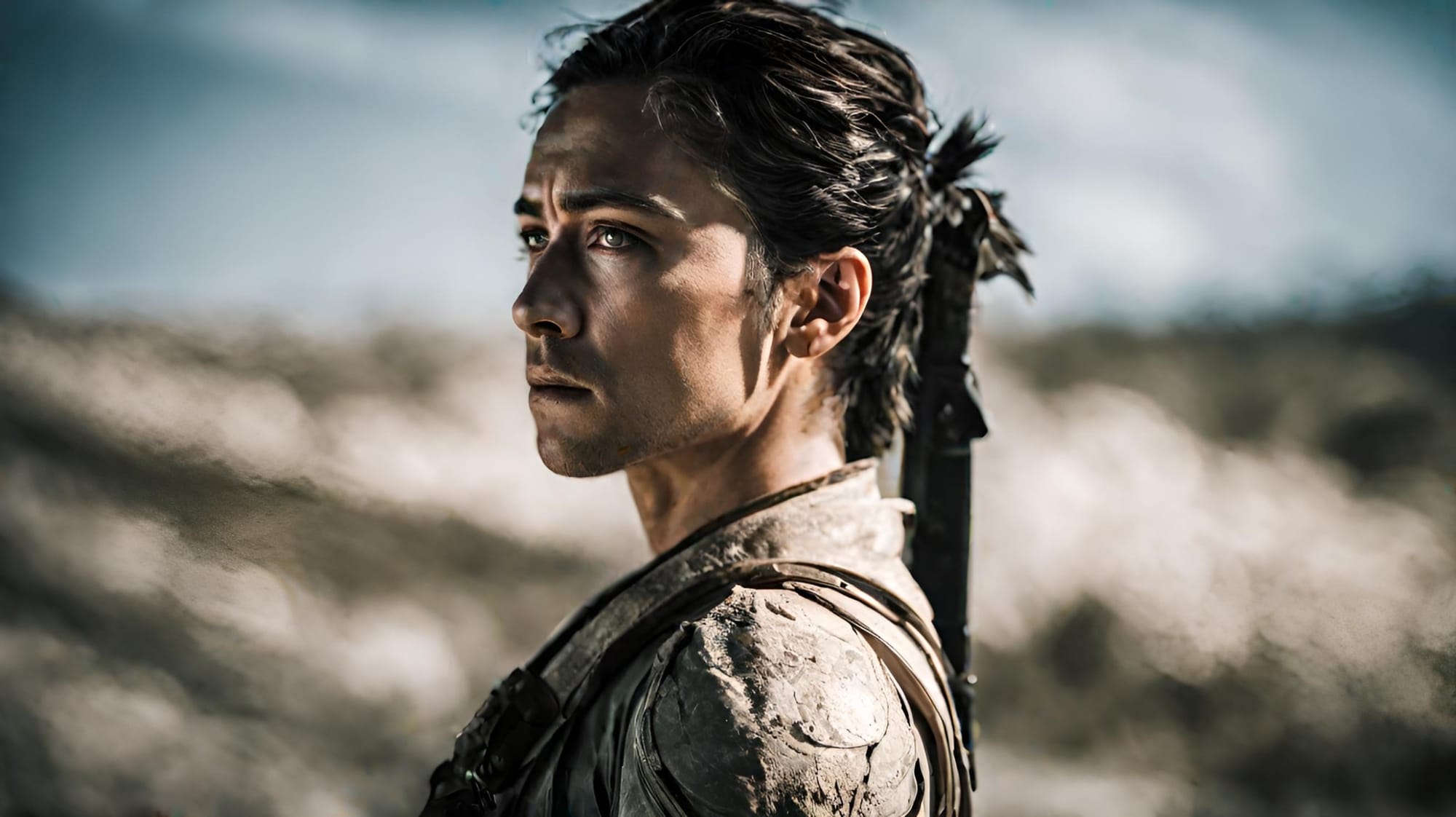
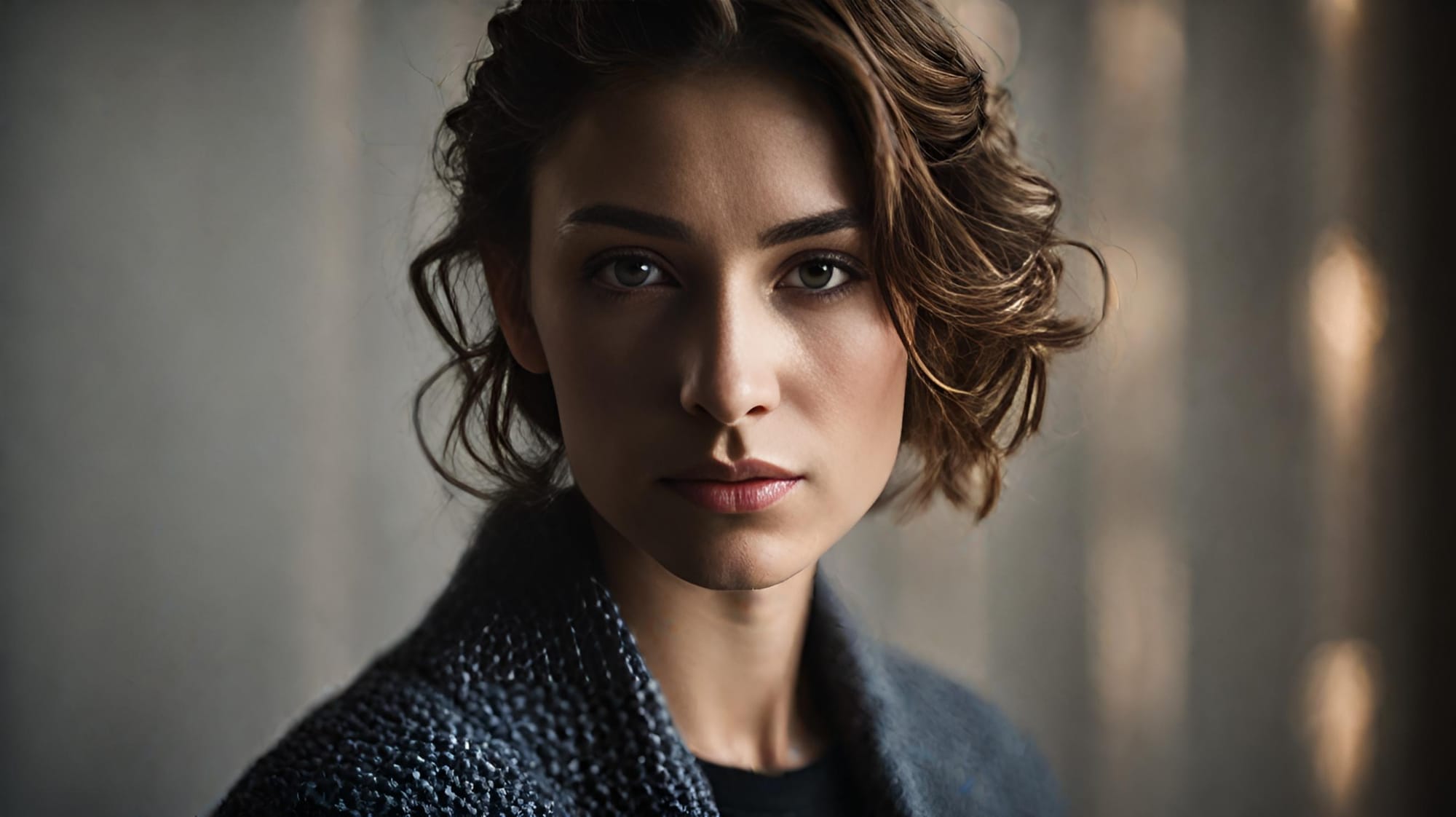
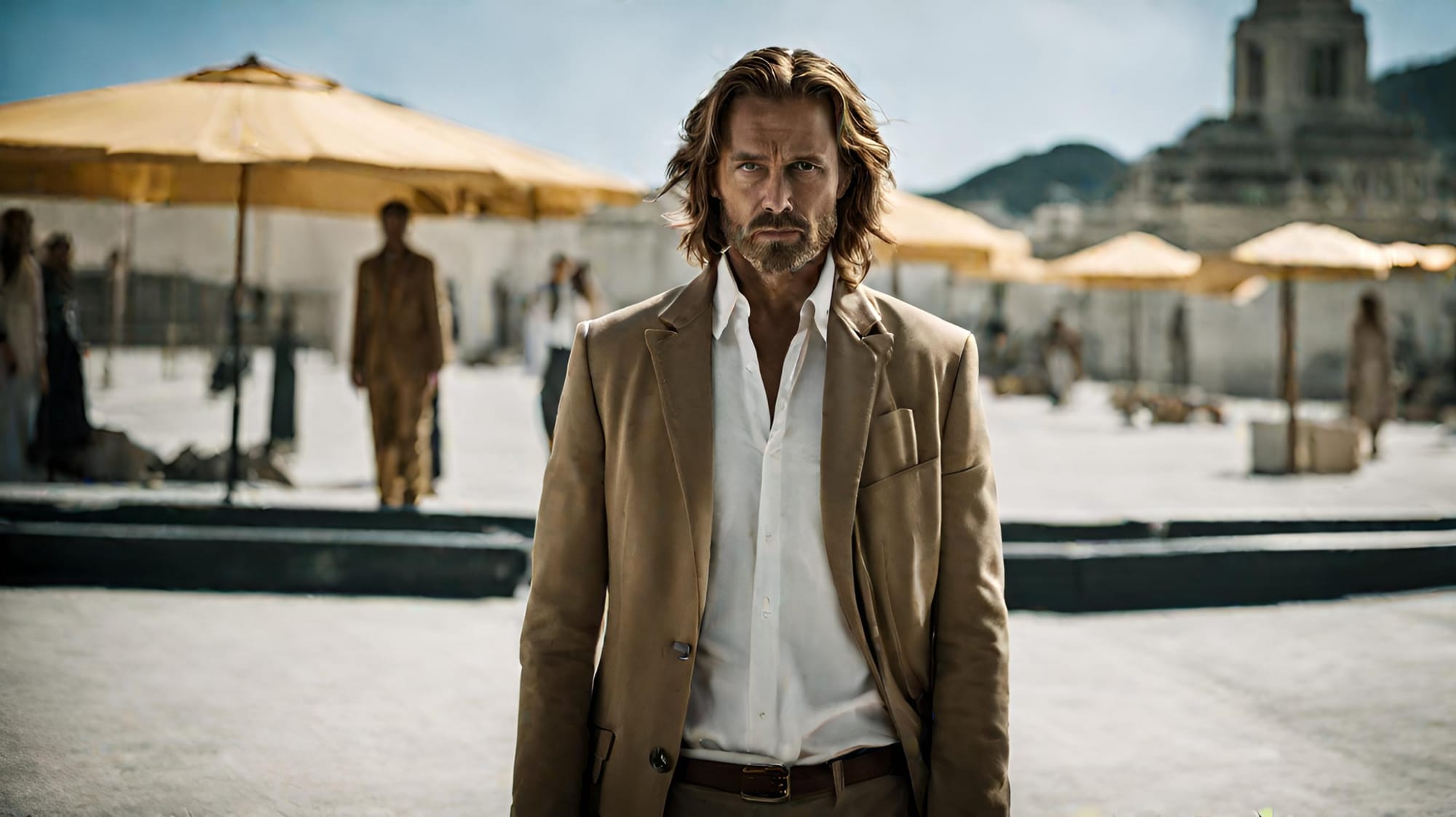
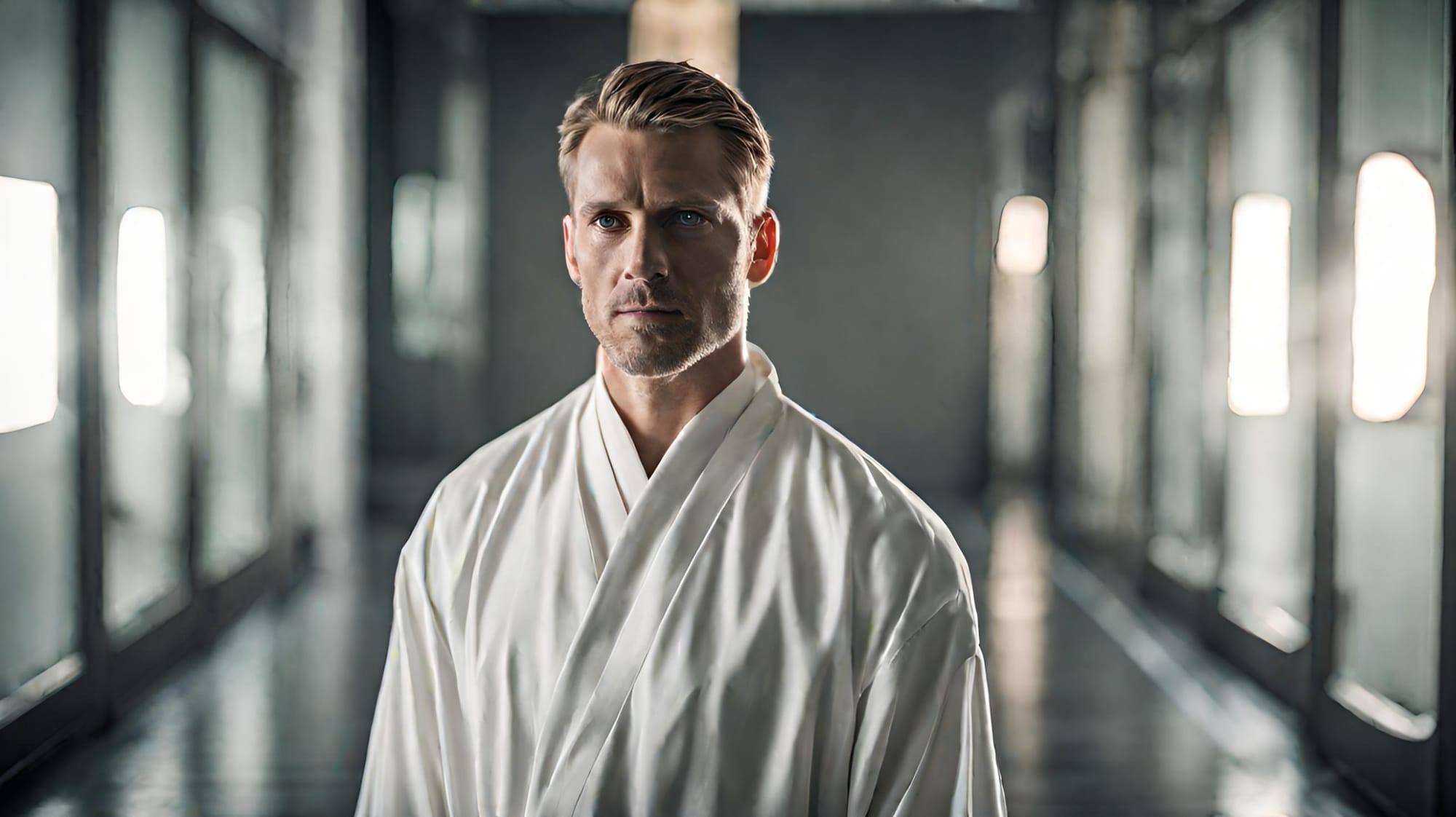
Images generated with MidJourney
Key features of MidJourney include:
- Artistic Quality: MidJourney is designed to create visually striking images with unique artistic styles.
- User-Friendly: The model is easy to use, even for those without technical expertise, making it accessible to a wide audience.
Successes of Text-to-Image AI
Text-to-image AI has achieved remarkable success in various fields, from digital art and advertising to education and entertainment. Here are some of the most notable achievements of this technology.
1. Digital Art Creation
Text-to-image AI has revolutionized the world of digital art. Artists can now create stunning visuals simply by providing a text description of their ideas. This has opened up new possibilities for creative expression, allowing artists to experiment with different styles and compositions without the need for traditional drawing or painting skills.
AI-generated art has also become a popular trend on social media platforms, with users sharing their unique creations based on AI-generated images. Platforms like Artbreeder and Deep Dream Generator allow users to experiment with text-to-image AI and share their creations with a global audience.
2. Advertising and Marketing
In the advertising and marketing industries, text-to-image AI has become an invaluable tool for creating personalized content. Brands can use AI to generate images that are tailored to specific demographics, making their ads more engaging and relevant to their target audience.
For example, a fashion brand can use text-to-image AI to generate images of models wearing their latest clothing line, with each image customized to reflect the preferences of different customer segments. This level of personalization can lead to higher engagement rates and better customer retention.
3. Concept Art and Game Development
Game developers and filmmakers are using text-to-image AI to speed up the process of creating concept art and character designs. By providing a simple text description, they can generate multiple versions of a character or scene, allowing them to explore different ideas quickly and efficiently.
This technology has been particularly useful in the development of video games and animated films, where visual elements play a crucial role in storytelling. With text-to-image AI, developers can iterate on their designs faster, resulting in more visually compelling content.
4. Education and Learning Materials
Text-to-image AI is also being used to create educational materials, particularly in subjects like science and history. Teachers can use AI-generated images to illustrate complex concepts, making it easier for students to understand abstract ideas.
For example, a biology teacher could use text-to-image AI to generate a detailed diagram of the human respiratory system, complete with labeled parts. This visual aid can help students grasp the intricacies of the system more effectively than a traditional textbook diagram.
The Future of Text-to-Image AI
The future of text-to-image AI holds immense promise, with several exciting developments on the horizon. Researchers are working to improve the accuracy and realism of AI-generated images, while expanding the range of applications for this technology.
1. Enhanced Realism
A primary goal for future text-to-image AI models is to improve the realism of the images they generate. While current models produce impressive visuals, there is room for improvement in terms of fine details and complex textures.
Future models may generate images that are indistinguishable from real photographs, opening up new possibilities for industries like fashion, interior design, and architecture.
2. Expanded Applications
Text-to-image AI is already used in many applications, but its potential is far from realized. In the coming years, we expect this technology to expand into fields like medicine, engineering, and robotics.
For instance, engineers could use text-to-image AI to design and visualize parts for machines or buildings, while medical professionals could use AI-generated images to simulate surgeries or illustrate complex anatomical structures.
3. Real-Time Image Generation
The development of real-time image generation capabilities is an exciting prospect. While current models take several seconds to minutes to generate a single image, future advancements in computational power could enable AI to generate images instantly, based on live input.
Imagine creating dynamic visual environments in video games, virtual reality, or live video streams where AI generates images in real-time based on user descriptions or inputs.
Conclusion: An Expanding Horizon for Text-to-Image AI
The future of text-to-image AI is filled with promise, from developing more realistic and dynamic image generation capabilities to expanding its applications into new industries. As researchers continue to push the boundaries of what's possible, we can expect AI-generated images to play an increasingly prominent role in our daily lives.